
Over 330 school shootings struck American campuses in 2024, the second-deadliest year on record, according to the K-12 School Shooting Database. FBI reports confirm that active shooter incidents have increased drastically since 2010, leaving countless communities shattered. When it comes to preparing and protecting our school communities, educators often resort to barricading doors with desks and other furniture. In moments of terror, this gut-level response is anything but a defence strategy. It is loud, dangerous, and it cannot hold up against bullets.
In resource-strapped districts, piling desks against classroom doors may feel like a form of agency amid chaos. However, furniture proves unreliable against determined intruders, as temporary setups often shift or fail under force. While the Department of Homeland Security’s “Run, Hide, Fight” guidelines promote using available furniture to block doors during lockdowns, the practice is largely ineffective. At best, it offers minimal delay in real-world scenarios. The Red Lake High School shooting is a prime example. In this case, adjacent windows were exploited, despite attempts to secure rooms. In contrast, bulletproof safety shelters offer true defense against intruders.
Building Barricades is Loud and Time-Consuming
Building a barricade requires 1-2 minutes, which is valuable time lost, especially with law enforcement responses averaging three minutes during a lockdown. In addition to the lost time, dragging and stacking classroom furniture is loud, which is obviously not good for avoiding being found when hiding. Similarly, it creates a visual that allows for an intruder to know exactly which classrooms are occupied and which are not. Even worse, it is possible that barricades could actually hinder rescue or extraction plans by law enforcement.
Bulletproof Shelters Reduce Fear & Anxiety in School
Many school districts are required to have one “Shelter in Place” or “Active Shooter” drill per month. For most schools, this requires that children huddle in the corner of their classroom, and for many, this means dragging bookshelves, desks, and other furniture across the room to make a barricade. These types of protocols are scary. They often make children feel uneasy, giving off the impression that their school is not able to keep them safe in an emergency.
Unreliable safety protocols like barricading doors contribute to heightened anxiety and PTSD among students and educators. In fact, active shooter drills involving tactics like these have been linked to a 39-42% increase in symptoms of anxiety, stress, and depression following simulations, according to a 2021 study published in Humanities and Social Sciences Communications.
This effect is amplified in realistic drills, where exposure to stress primes children for long-term hyper-vigilance and difficulty coping, according to experts from the American Psychological Association. They note that repeated practice of potentially ineffective measures erodes trust in school systems and exacerbates mental health challenges in educational settings.
Even ALICE training—emphasizing alert, lockdown, inform, counter, and evacuate—positions barricades as temporary measures, not safeguards, yet many schools persist due to funding shortfalls and outdated policies.
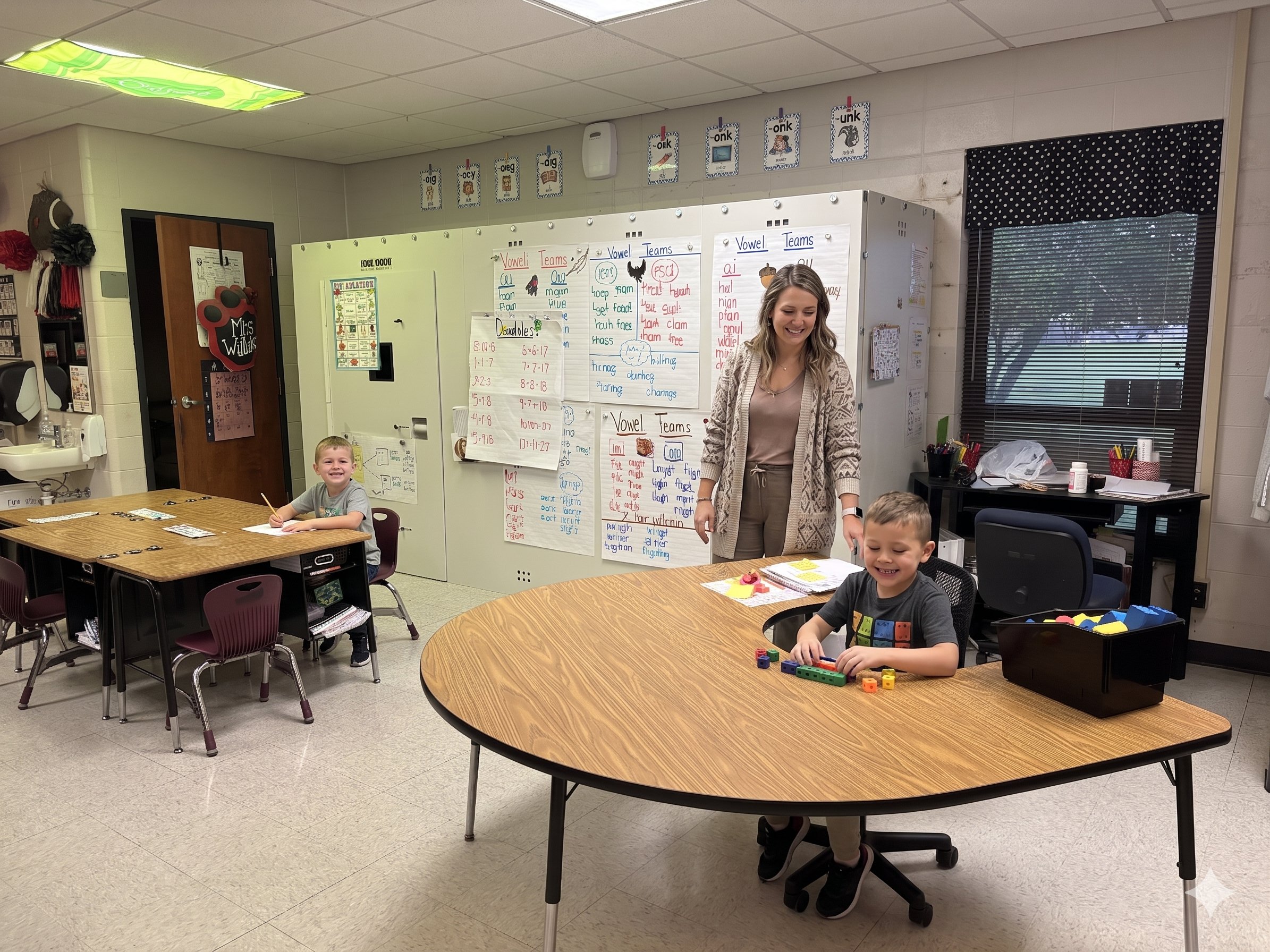
Conversely, ballistic-tested safety shelters provide a real solution to close these gaps and protect our children. When using Certified to NIJ Level III or higher standards, steel enclosures withstand impact from handguns and semi-automatic weapons like the AR-15. These shelters have the potential to mitigate harm by providing a sense of real security that reduces the psychological burden of drills. To further align with broader APA guidelines on trauma-informed school environments that emphasize predictable, effective safety features to support emotional well-being, teachers can decorate the exterior of their classroom shelter with bulletin boards, student artwork, or encouraging posters.
Unlike barricades, which fail against bullets and take time to assemble, bulletproof shelters are preassembled and waiting in the back of the classroom in case of a crisis situation. Students and staff can find true safety in a matter of seconds by simply entering the shelter, stepping inside, and locking the door. This preserves stealth and avoids excess noise, and it does not visually signal intruders.
Ready to enhance your school’s safety without relying on unreliable barricades? Subscribe to our newsletter for the latest updates on school safety innovations, expert insights, and resources to protect your community.